
How testing protocols shape what you see on your phone
You do not need a degree in software engineering to spot when a mobile app is running on borrowed time. Most Australians tap through a few spins on the train home and never think about the machinery underneath. Yet the difference between a smooth session and a frozen screen often comes down to casino software testing protocols AUD operators run before anything reaches your phone. I have spent years watching racing data feeds and sportsbook interfaces across three continents, and the pattern is the same everywhere: what you see on launch day is only the visible tip of a much longer checklist.
A weekend player treating this as entertainment spend should care about that checklist, because it decides whether your balance reflects reality when you close the app on the bus from Central to Bondi Junction. When a product team rushes a release, the cracks show up as delayed payouts, mismatched odds, or a browser version that eats your data allowance halfway through a session. The right testing discipline catches those problems before they reach a casual punter who just wants a clean night out. Theroar
Why your phone is the real test bench
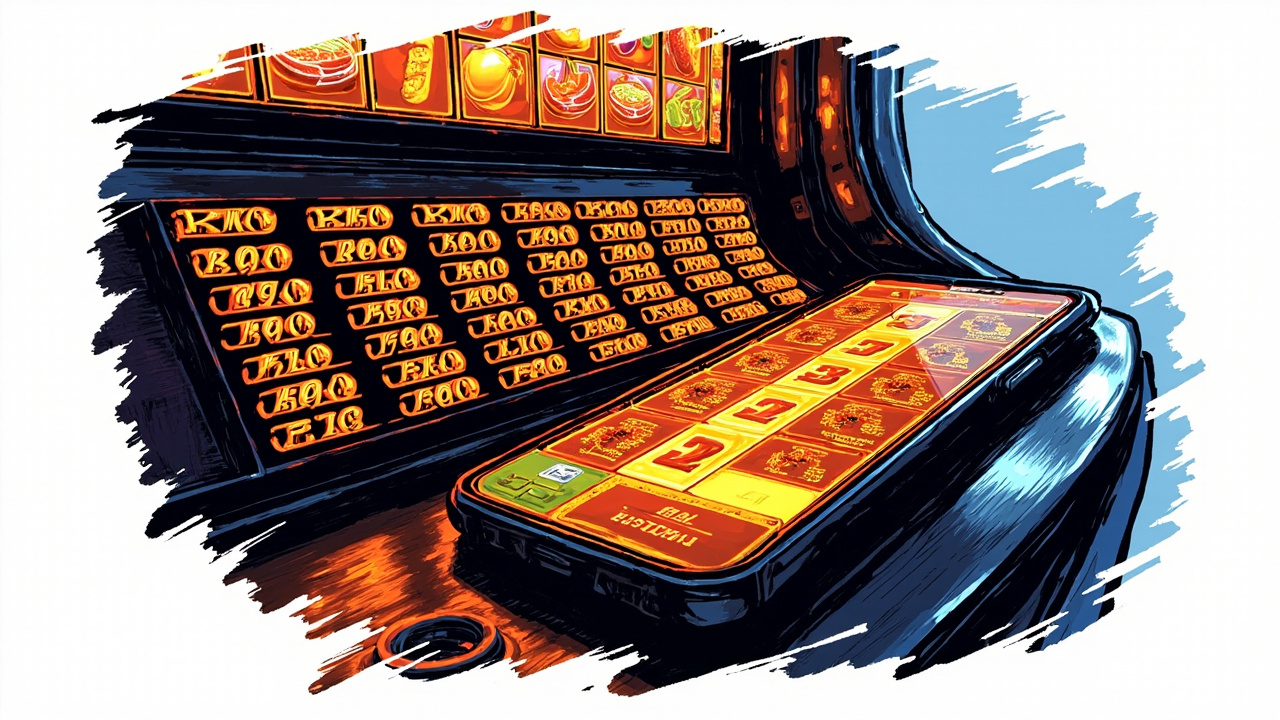
A browser window on a laptop can hide a lot of sins that a mobile app cannot afford to carry. You might be sitting at a café in Surry Hills with patchy Wi-Fi, switching between cellular data and a shared network, and the app still has to settle your wager without dropping a beat. Testing teams now run load simulations that mimic exactly that kind of unstable connection, because a desktop review never replicates the interruptions of a train ride or a late-night session after a shift at Circular Quay.
Sophie Scott, Customer Experience Lead, Flinders Interactive Group, puts it plainly: “Mobile sessions fail when the testing only ever happens on a stable home broadband connection, because that is not where most players actually are.” She has a point I have seen in sportsbook dashboards too, where a feed that looks tidy on a wired office screen turns chaotic once it hits a moving device with a weak signal. If a casino platform has not stress-tested the same handover between networks, your spin can hang while the server catches up, and the entertainment spend turns into a frozen screen.
The practical angle for an ordinary Australian is straightforward. Say you deposit fifty dollars on a Thursday night after work and play for twenty minutes on 4G while walking home. A properly tested app should keep your balance, bet history, and session timer accurate even when the signal dips near a tunnel or a crowded station. A poorly tested one might show a stale balance, duplicate a wager, or lose your last spin entirely, which is the kind of glitch that turns a harmless night into a support ticket you did not ask for.
App or browser, which one actually behaves better
The choice between a native app and a browser play is not just about convenience, because each path carries a different testing burden and a different data footprint. A native app can cache assets and cut down repeated downloads, but it also demands a separate release cycle and a stored build on your phone that must be patched when something breaks. A browser version skips the install but relies on the site’s delivery pipeline staying steady under load, which means the testing team has to watch server response times as closely as they watch the front-end buttons.
| Venue visit | Online mobile session |
|---|---|
| Travel time to the venue | Play from anywhere with a signal |
| Fixed opening hours | Late-night access across AEST and AWST |
| Cash or ticket handling at the desk | Balance held in the app or browser session |
| Atmosphere and immediate staff contact | Self-serve play with support reachable online |
That comparison matters because a weekend social player weighing entertainment spend should know where the trade-offs actually sit. A venue visit gives you a physical floor and a fixed closing time, but it also means a trip, a dress code, and a clock that runs out when the doors shut. An online session on your phone removes the travel and the clock, yet it shifts the reliability question onto the software that has to stay stable when you are not sitting at a desk. neo spin no deposit bonus
The three-hour gap between AEST and AWST is the kind of detail that separates a polished product from one that only works in one corner of the country. A platform tested only against Sydney bedtime hours can misjudge how a late-night AWST session loads when the backend is running on a different shift pattern or a quieter server window. Good testing protocols map those time-zone swings deliberately, because a player in Perth playing after midnight should not inherit the bugs that only surface when the eastern states are asleep.
What a proper testing cycle actually looks like
A solid release cycle starts long before the app store listing goes live, because the first check is usually a regression pass against the last stable build. That means the team re-runs the same core flows – deposit, wager, result, withdrawal request – against a known-good baseline and flags anything that regressed. It is the same discipline I have used when checking racing data handovers, where a new feed integration only counts as safe if it does not break the existing settlement path.
After that comes a deliberate stress window, not a quick glance at a single device. A testing window of at least a few consecutive nights is common for mobile releases, because a single afternoon on a fast office network misses the interruptions that show up across a full evening of play. During that window the team watches for memory leaks, battery drain, and session drops, which are the quiet failures that do not always appear in a one-off check.
One named method worth knowing is boundary testing, where the team deliberately pushes inputs to the edges of what the system should accept. They try minimum and maximum stake values, short session timers, and rapid repeated taps, because those are the conditions that expose sloppy validation before a real player hits them. If a platform has skipped that step, you might see a wager accept a value it should have rejected, or a balance update arrive out of order, and neither of those is a small issue when you are treating this as entertainment spend.
Data use and what it means on a crowded network
Mobile play is not just about whether the buttons respond, because data consumption and network switching decide whether your session stays pleasant or turns into a drain on your phone. A browser session can re-download assets every time the page refreshes, which matters when you are on a limited plan or a congested network around a busy venue. A well-tested app should trim that overhead by caching what it can and only requesting what changed, but that only helps if the testing actually measured the data path under real conditions.
I have seen sportsbook products that looked fine in a city office and then struggled the moment they were used on a regional train line, because the testing never simulated the repeated handovers between towers. A casino platform that wants to hold up on the move needs the same kind of network simulation, not just a checklist of features that all passed on a fast Wi-Fi link. If you have ever watched a page stall while your phone flips from one cell to another, you already know why that matters.
For a weekend player, the practical takeaway is to notice what happens when your signal dips mid-session. A tested product should keep your last action intact and recover without asking you to re-enter a wager, rather than leaving you staring at a spinner while the connection negotiates. That is the difference between a product built for the move and one that only works when you are parked at a desk.
How late-night play exposes weak spots
Late-night sessions are where a lot of mobile products show their real maturity, because the player behaviour after midnight is not the same as the behaviour at eight in the evening. People play in shorter bursts, with more interruptions, and often on a device that is already hot from a long day, which puts a different load on the software. Testing that only samples early-evening traffic can miss the way a session behaves when the battery is low and the signal is shared across a crowded apartment block.
The time-zone angle makes this sharper, because a platform that is smoothed out for Sydney hours can still feel rough in Perth when the backend is on a different rhythm. AEST and AWST sit three hours apart, and that gap is long enough to matter when a late-night AWST player is active while the eastern support window is winding down. Good testing maps those windows deliberately, rather than assuming one set of hours covers the whole country.
Sophie Scott, Customer Experience Lead, Flinders Interactive Group, notes that “support logs pile up fastest when a release lands without a late-night stress pass, because that is when players are most likely to notice a delay and least likely to find a quick answer.” That is the kind of caveat I recognise from sportsbook operations, where a quiet afternoon release can still create a noisy evening if nobody tested the peak-hour handover. For a social player, the lesson is simple: if a platform has not been checked against the hours you actually play, the balance and timing you see late at night may not be as reliable as it looks.
Two approaches, one cleaner result
A before-and-after comparison makes the point better than a list of features ever could. In one approach, a release goes out after a single round of checks on a few devices, with the team hoping the most obvious buttons work and the rest will hold up in the wild. That path tends to surface problems only after players have already hit them, which is how you end up with a frozen balance or a delayed result that someone notices at 1 a.m.
In the cleaner approach, the same release goes through a staged pass that includes regression, boundary checks, network handover simulation, and a multi-night stress window before anything reaches the store or the live site. The difference is not glamour, it is predictability: the second approach catches the failures that would otherwise become complaints, and it does so before a weekend player has to spend time chasing a missing wager. I have judged products the same way in racing data work, where a feed is only ready when it survives a busy race meeting, not just a quiet desk test.
For an ordinary Australian reader, the contrast lands in everyday terms. Think of it like checking a car before a long drive home from the coast: a quick glance at the fuel gauge is better than nothing, but a proper check of the tyres, lights, and brakes is what keeps the trip uneventful. A casino platform that only does the quick glance may feel fine until your phone loses signal and the session stops behaving the way it should.
The bits players actually notice
Most players do not read release notes, but they do notice the things that testing is supposed to protect. They notice whether their balance updates immediately after a result, whether the session timer matches the time they actually spent, and whether a withdrawal request stays visible in the history where they left it. Those are the visible outcomes of the testing work, even when the work itself happens in rooms the player never sees.
A practical check any player can make is to watch what happens after a short session on a mobile connection, then open the same account on a different device or browser and see whether the history matches. If the numbers line up and the last bet sits where it should, the product has at least passed the kind of consistency check that matters to a social player. If the two views disagree, that is a sign the underlying testing did not cover the sync path properly.
The term players search for most often is not a technical one, it is the plain question of whether the app is safe to use on the move and whether the numbers they see are the numbers they actually have. That is where casino software testing protocols AUD becomes more than a phrase in a release document, because it is the work that decides whether your phone session stays a clean entertainment spend or turns into a mystery you have to untangle later.
What to look for before you tap play
Before you put a few dollars in on a phone, the simplest check is whether the product behaves the same way on a shaky connection as it does on a solid one. Try a short session on cellular data, then another on Wi-Fi, and notice whether the balance, bet history, and session end match up between the two. If the app only feels smooth on a fast home network, that is a useful warning rather than a reason to keep pushing.
A second check is whether the platform has a visible path for support if something goes wrong late at night, because a mobile session that breaks after midnight is no use if you cannot reach anyone until morning. The time-zone gap between AEST and AWST means a late-night AWST player should not be relying on a support window that only fully covers the eastern states. Good products plan for that gap rather than hoping nobody plays outside the convenient hours.
I would judge a mobile casino product the same way I judge a sportsbook feed under race-day load: not by how tidy it looks when nothing is happening, but by whether it holds up when the pace picks up and the connection gets messy. If the app survives a late-night session on 4G without losing your balance or duplicating a wager, that is a better sign than a polished demo on a desk. And if you want a quick way to see how a platform treats a first deposit and a bonus offer, the neo spin no deposit bonus page is one place worth a look before you commit any proper entertainment spend.